DaVita
IT Operations & Maintenance Services
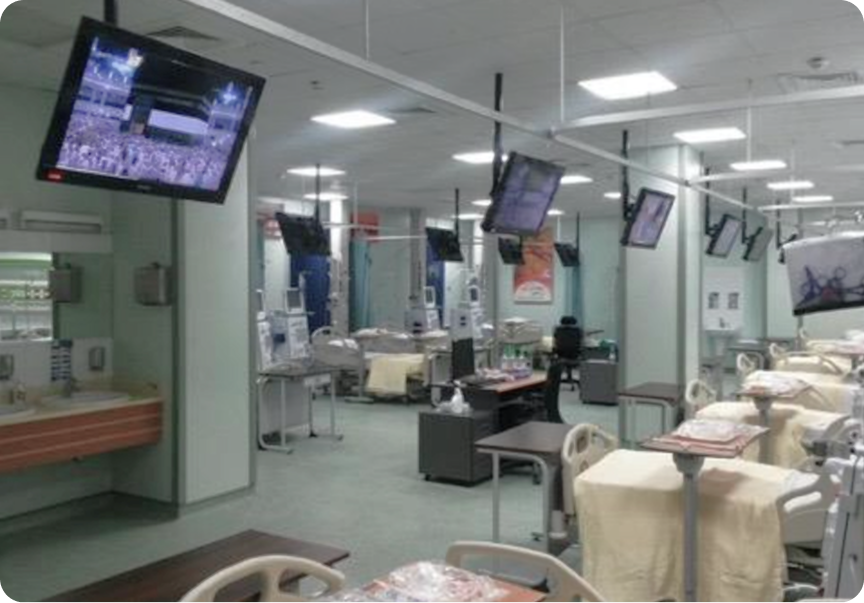
This case study presents a practical and technical view of how IT infrastructure, low-current systems, and enterprise systems were supported across 19+ clinics and DaVita HQ, focusing on real operational responsibilities rather than theoretical concepts.

- Industry Type
- Healthcare
- Company Size
- Large
- Number of Employees
- 76,000
- Location
- Riyadh, Saudi Arabia
DaVita Care Saudi Company Ltd. operates a network of dialysis and vascular access clinics across multiple regions of the Kingdom of Saudi Arabia as part of the Saudi Outsourcing Dialysis Project. To ensure uninterrupted clinical operations, high system availability, and compliance with healthcare IT standards, DaVita engaged Creation Source Trading Co. to deliver comprehensive IT Operations & Maintenance (O&M) services.
Business Objectives
- Ensure uninterrupted IT services for dialysis clinics operating extended hours
- Minimize downtime for critical clinical and administrative systems
- Standardize IT support across geographically distributed sites
- Maintain compliance with Saudi regulations, cybersecurity best practices, and DaVita global standards
Technical Objectives
Managed Infrastructure
Operate and maintain heterogeneous IT and low-current environments
Tiered Support
Provide tiered (L1/L2) support with defined SLAs
Centralized System
Centralize system administration, backups, and recovery planning
Systems Optimization
Improve system stability, security posture, and asset visibility
Project Scope and Coverage
Geographical Coverage
Central Region
- Riyadh (Central, South, Imam)
- Al Kharj
- Buraidah 1, 2
Al Ahsa Region
- Al Hasa
- Al Jabar
- Hassa 2
- JAHA Clinic
HQ Support
- DaVita Headquarters (System Administration)
South Region
- Jizan
- Sabya
- Samtah
- Abha
- Mahayel
- Majardah
East Region
- Al Khobar
- Qatif
- Saihat
- Tabuk
Operational Scale
- 19 active clinic locations plus home dialysis support
- Regional on-site IT technicians (L1)
- Centralized System Administrator at HQ (L2)
Technical Architecture
The DaVita IT environment consisted of mixed-vendor, multi-generation infrastructure deployed incrementally across clinics.
Core Components
- Physical servers and hypervisors
- Virtual Machines (clinical & admin workloads)
- Backup and recovery systems
- Endpoint and server security platforms (e.g., Symantec)
Service Model and Support Structure
Level 1 (L1) – Regional Operations & Maintenance
Responsibilities
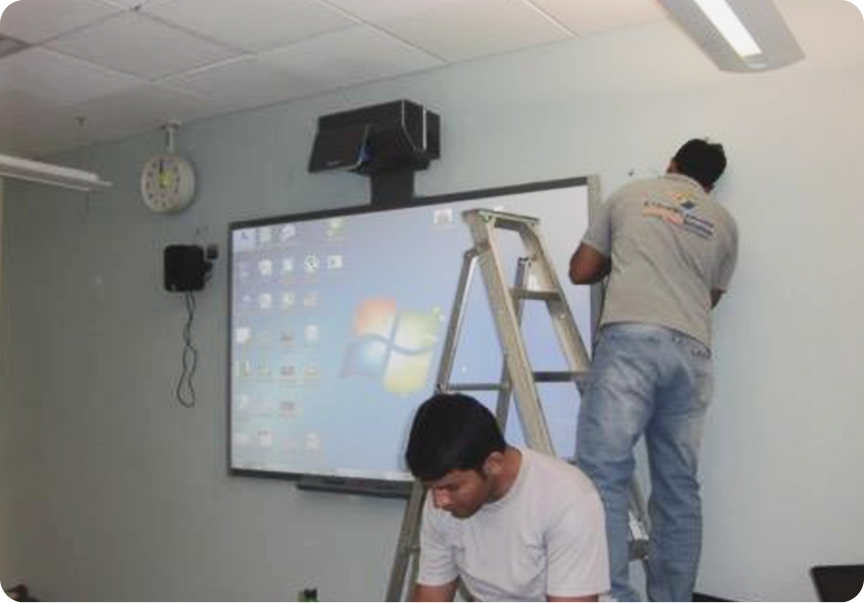
- Day-to-day operation of IT and low-current systems
- First-level troubleshooting for hardware, network, and user issues
- Preventive maintenance (quarterly) across all supported systems
- Installation and configuration of end-user devices
- On-site and remote end-user support
Systems Covered
- LAN and network devices
- PCs, laptops, printers, scanners
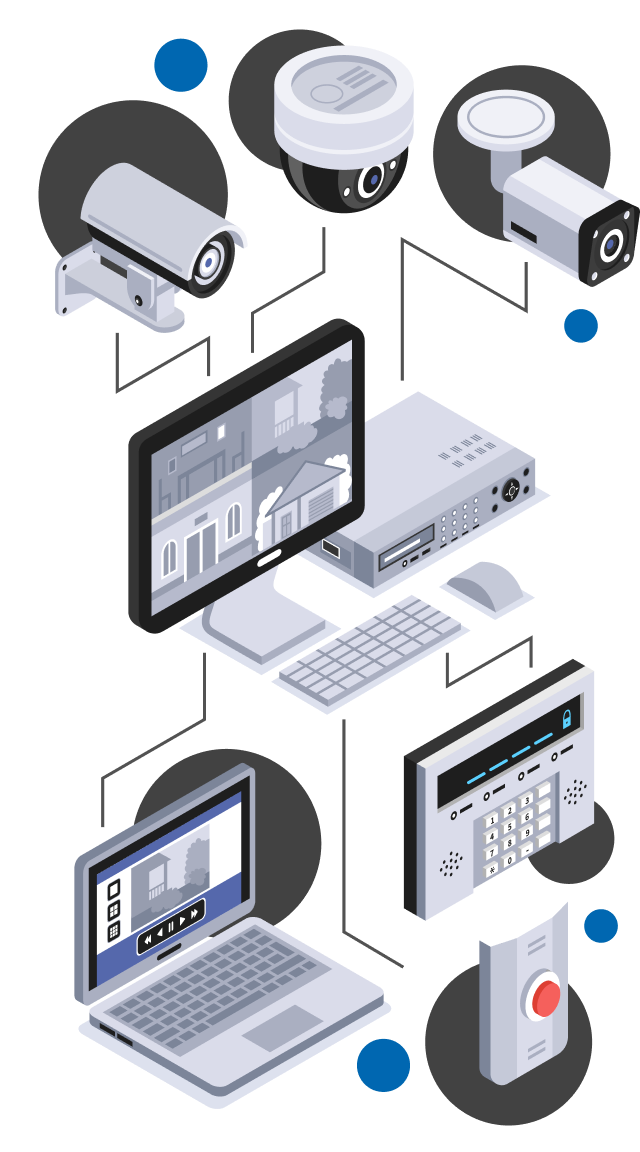
- CCTV, access control, intrusion systems
- Nurse call, IP telephony, AV systems
- Biometric attendance systems
Operational Design
- One dedicated technician per region
- Travel within assigned region for scheduled PM and incidents
- Emergency and out-of-station visits handled via approved tickets
Level 2 (L2) – System Administration & Engineering
Responsibilities
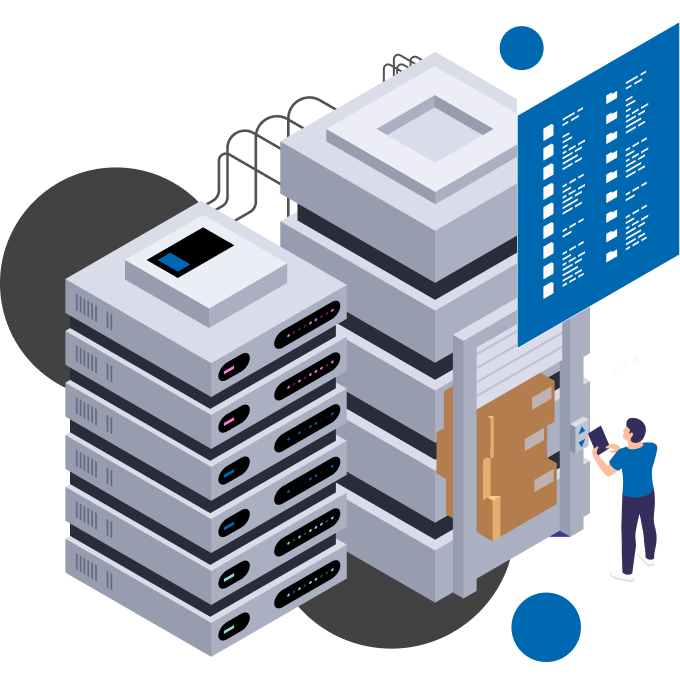
- Operation and maintenance of servers and virtual environments
- Monitoring of VMs, storage, backups, and system health
- Backup strategy implementation and periodic restore validation
- OS and system hardening aligned with cybersecurity best practices
- Coordination with Microsoft, OEMs, and managed service providers
- Asset management and configuration tracking
- Disaster recovery and recovery plan development
Scope
- Servers, VMs, hosts, backup systems
- Endpoint and server security platforms
- All clinics and HQ infrastructure
Service Levels and Incident Management
Incident Flow
- 1Ticket raised by clinic or DaVita IT
- 2L1 triage and on-site/remote resolution
- 3Escalation to L2 for server, security, systemic issues
- 4Vendor coordination if required
- 5Closure with documentation and root-cause notes
Response Time SLAs
- High / Critical: 0–4 hours
- Medium: 4–8 hours
- Low: 8–16 hours
Preventive Maintenance Strategy
- Quarterly preventive maintenance per clinic
- Preventive actions significantly reduced repeat incidents and emergency visits
- Validation of Network stability and cabling health
- Validation of CCTV camera uptime and storage
- Validation of Backup job success and capacity
- Validation of Endpoint performance and patch status
Security and Compliance
To ensure seamless clinical operations and regulatory compliance, the IT O&M strategy prioritized a robust governance framework. This involved strict adherence to Saudi laws and healthcare operational requirements while aligning with cybersecurity best practices to safeguard the digital landscape. Physical and logical security was maintained through controlled access to facilities and enterprise systems. Furthermore, the partnership emphasized ethical integrity via anti-corruption and data confidentiality compliance.
Governance and Service Management
The governance of this partnership relies on a structured Service Management framework led by dedicated managers from both DaVita and Creation Source. This leadership ensures continuous alignment through regular service review meetings, where all discussions are documented via formal minutes and rigorous action tracking. Operational quality is maintained by the active performance monitoring of on-site technicians against established KPIs. To mitigate risks to clinic uptime, a clear escalation process is in place, providing a structured mechanism for the swift replacement of personnel in cases of underperformance, thereby ensuring sustained excellence across the healthcare network.
Outcomes and Impact
Operational Results
- Improved uptime of clinic IT systems
- Faster incident resolution due to regional presence
- Reduced system failures with preventive maintenance
- Centralized visibility of assets and configurations
Business Impact
- Reliable IT support for life-critical dialysis operations
- Consistent service quality across regions
- Reduced operational risk and downtime
- Scalable model for future clinic expansion
Conclusion
A hybrid support model, blending regionalized L1 assistance with centralized L2 engineering, ensures rapid, expert response across distributed healthcare environments. This is bolstered by preventive maintenance, which is vital for maintaining uptime in clinical settings. Furthermore, mission-critical operations demand clear SLAs and governance models to align technical performance with medical needs. Ultimately, robust system administration and comprehensive recovery planning are not just IT functions; they are essential safeguards that directly support uninterrupted patient care and clinical continuity.